Residential Development opportunities: The Builder’s Playbook for Buying Lots in Bulk
September 10, 2026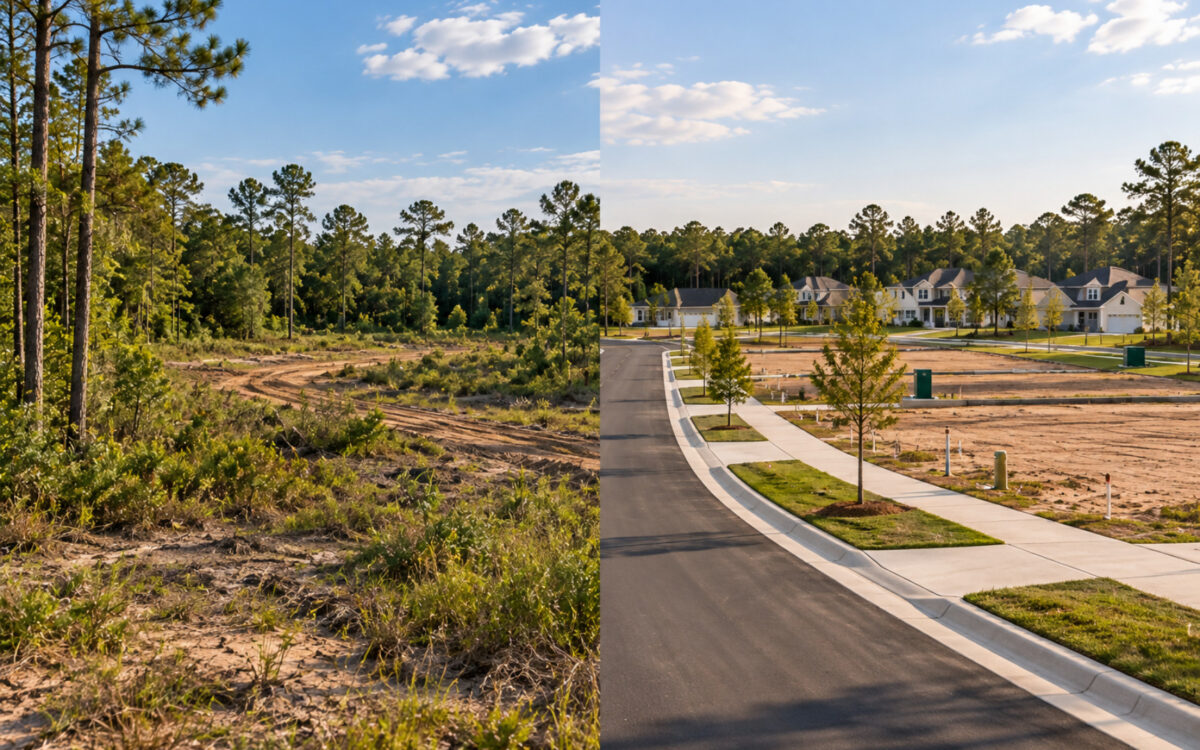
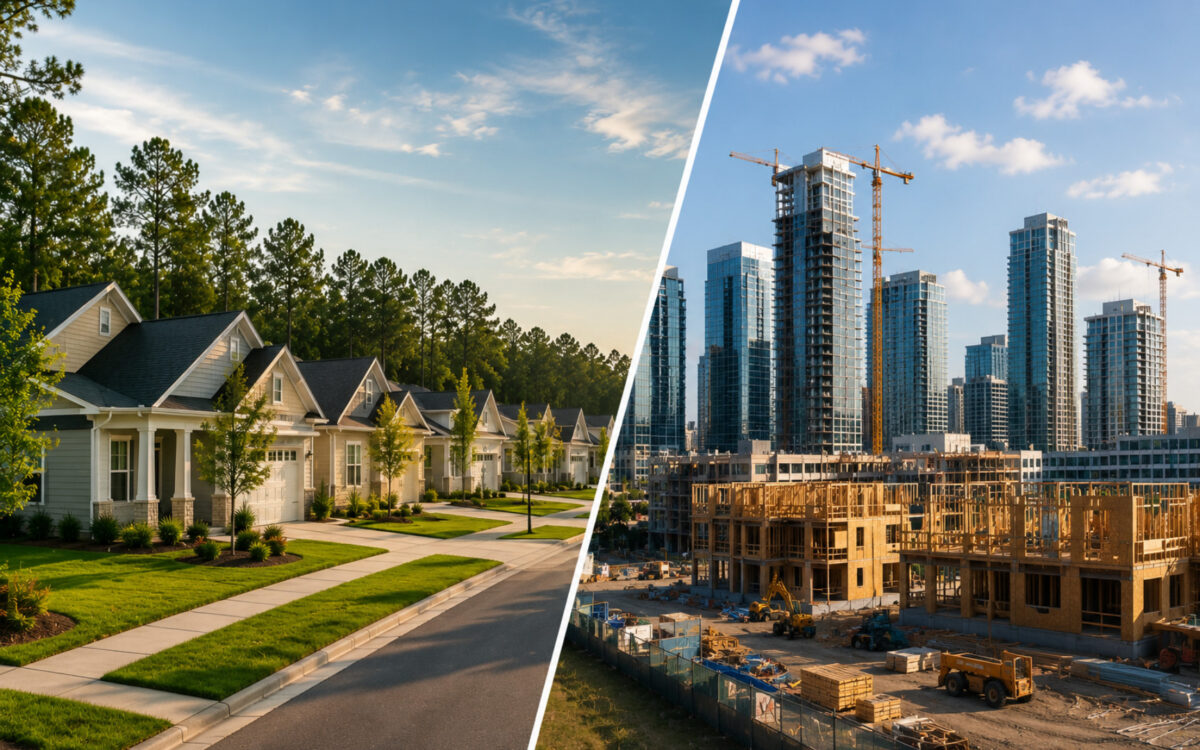
When evaluating residential development opportunities, one of the first decisions builders face is whether to purchase raw, undeveloped land or buy into a community where lots are already engineered and ready to build. Both paths can work — but they come with very different timelines, costs, and risk profiles.
Here’s how to think through this decision the next time you’re comparing residential development opportunities.
What Raw Land Development Actually Involves
Raw land residential development opportunities offer maximum flexibility, but that flexibility comes at a cost. Before a single home can be built, raw land typically requires:
- Environmental and soil studies, to confirm the land can support the intended construction
- Zoning and entitlement approval, which can take months or longer depending on the jurisdiction
- Utility extension, including water, sewer, and electric infrastructure that may not yet reach the property
- Road construction and stormwater engineering, both of which require significant upfront capital before any homes generate revenue
For builders with the time, capital, and risk tolerance to manage this process, raw land residential development opportunities can offer strong long-term upside — but the timeline from purchase to first closing is often measured in years, not months.
What Engineered Lot Communities Offer Instead
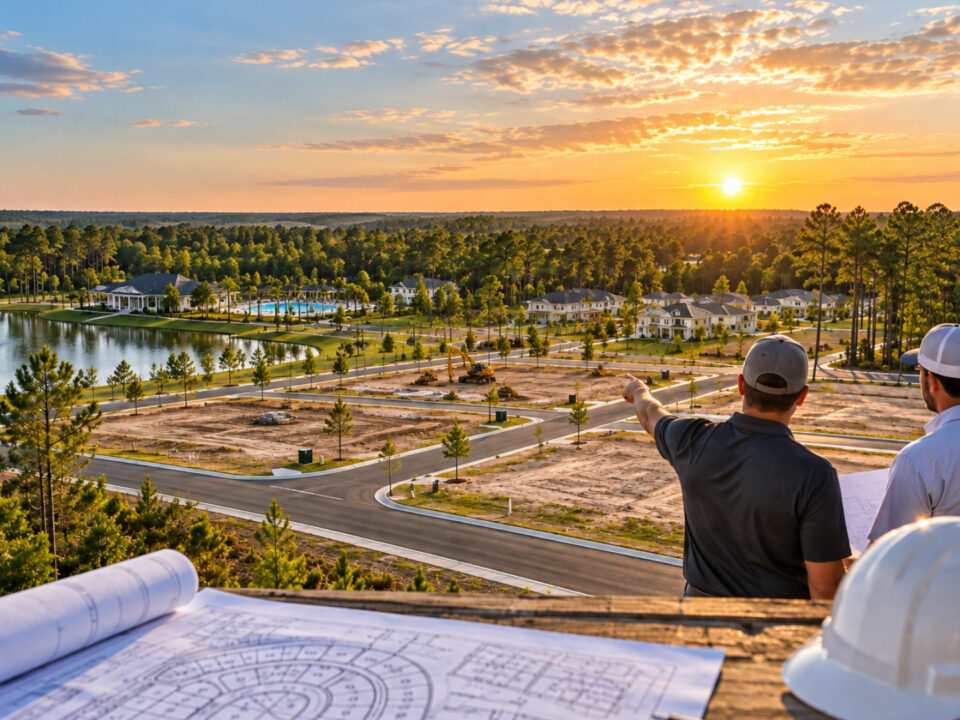
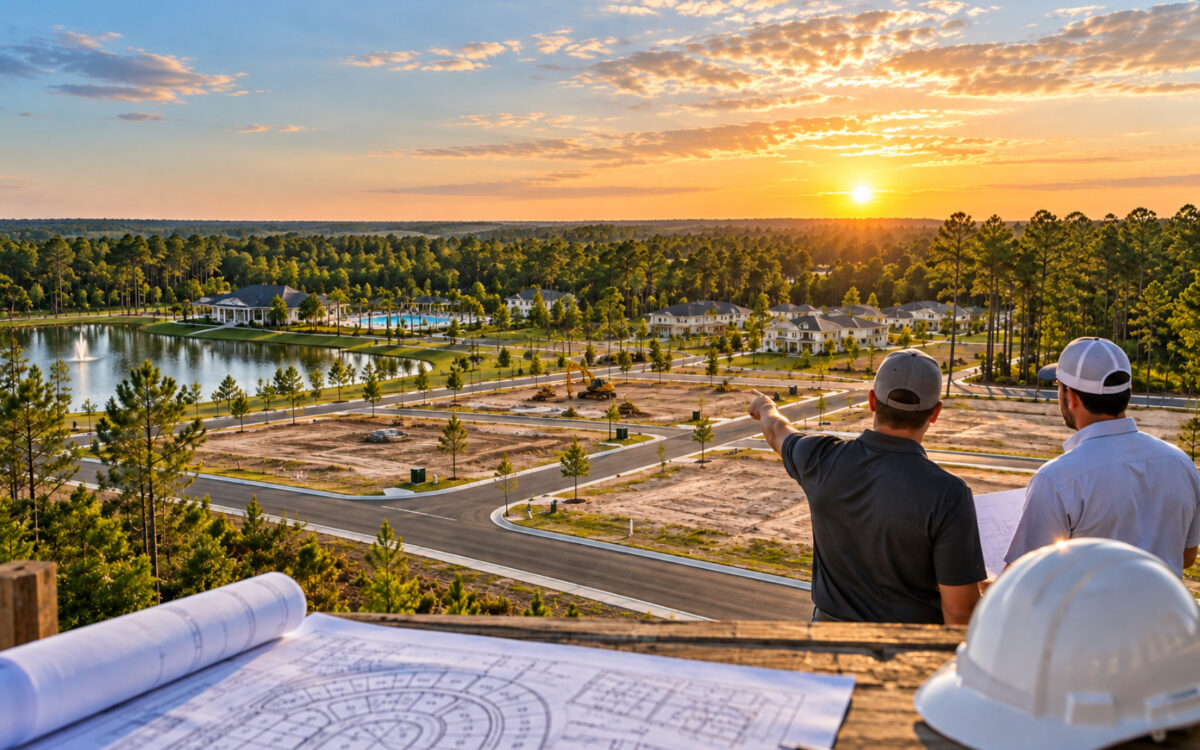
Residential development opportunities within already-engineered communities, like Bridlewood’s Phase 1A, remove much of that pre-development burden:
- Utilities already in place, eliminating the extension costs and delays raw land requires
- Roads and stormwater infrastructure already built, rather than requiring separate civil engineering contracts
- Pre-approved layouts, reducing the permitting timeline compared to a from-scratch zoning process
- Immediate construction eligibility, often allowing builders to break ground within weeks of closing rather than after months or years of site work
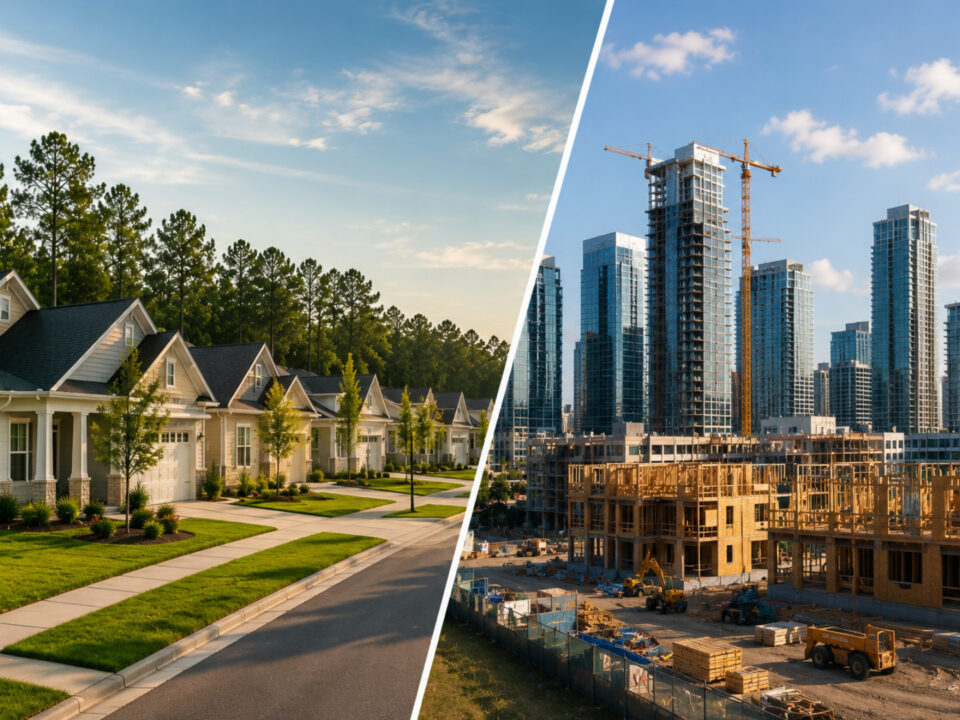
This is part of why engineered-lot residential development opportunities have become increasingly attractive to builders who want to deploy capital into actual construction, rather than tying it up in pre-development work.
Comparing the Real Costs
The sticker price of raw land is often lower per acre than an engineered lot — but that comparison misses the full picture. Builders evaluating residential development opportunities should weigh the total cost, including:
- Engineering, permitting, and legal fees for raw land, which can add substantially to the effective per-lot cost
- Carrying costs during the pre-development period, when raw land generates no revenue but still incurs taxes, insurance, and loan interest
- Opportunity cost — capital tied up in a multi-year raw land process could otherwise fund multiple engineered-lot projects in that same timeframe
When these factors are included, many engineered-lot residential development opportunities end up more cost-effective than raw land, despite the higher sticker price per lot.
Risk Considerations for Each Approach
Every path carries its own risks. Raw land residential development opportunities expose builders to:
- Entitlement risk, if zoning or permitting doesn’t proceed as expected
- Environmental risk, if soil or site conditions require costly remediation
- Extended timeline risk, tying up capital longer than initially planned
Engineered-lot residential development opportunities carry different risks:
- Less design flexibility, since site layout is often already determined
- Dependence on the developer’s infrastructure quality and long-term community vision
- Potentially less long-term appreciation upside compared to successfully entitling raw land in an emerging area
Which Residential Development Opportunity Is Right for You
The right choice often comes down to a builder’s specific goals:
- Builders prioritizing speed to market typically benefit more from engineered-lot residential development opportunities
- Builders with strong development expertise and patient capital may find raw land’s long-term upside worth the added complexity
- Builders scaling multiple simultaneous projects often favor engineered lots specifically because predictable timelines make crew and subcontractor scheduling far more manageable
A Quick Due Diligence Checklist
Whichever path you’re leaning toward, a few due diligence steps apply to any residential development opportunity worth pursuing:
- Confirm current zoning matches your intended use, rather than assuming based on surrounding parcels
- Request documentation on utility capacity, not just proximity, since nearby lines don’t guarantee sufficient capacity for your project
- Ask for a realistic construction start timeline in writing, whether you’re buying raw land or an engineered lot
- Talk to other builders who have worked with the same developer or in the same raw land jurisdiction, since firsthand experience often reveals issues paperwork alone won’t show
Skipping this step is one of the more common reasons builders find themselves with a residential development opportunity that looked strong on paper but ran into costly surprises during construction.
Explore Residential Development Opportunities at Bridlewood
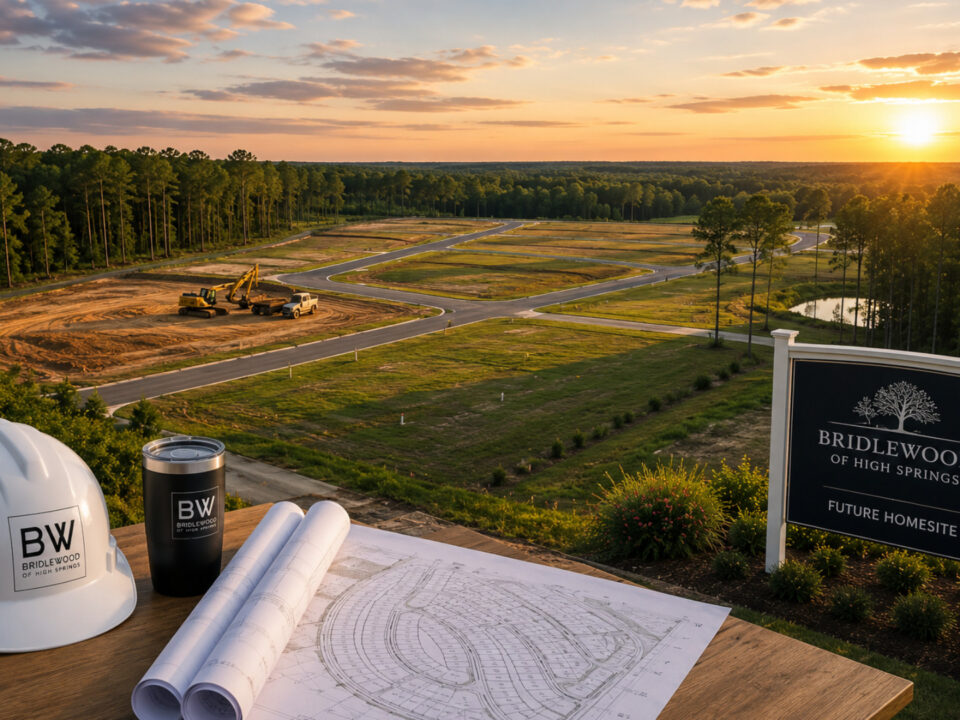
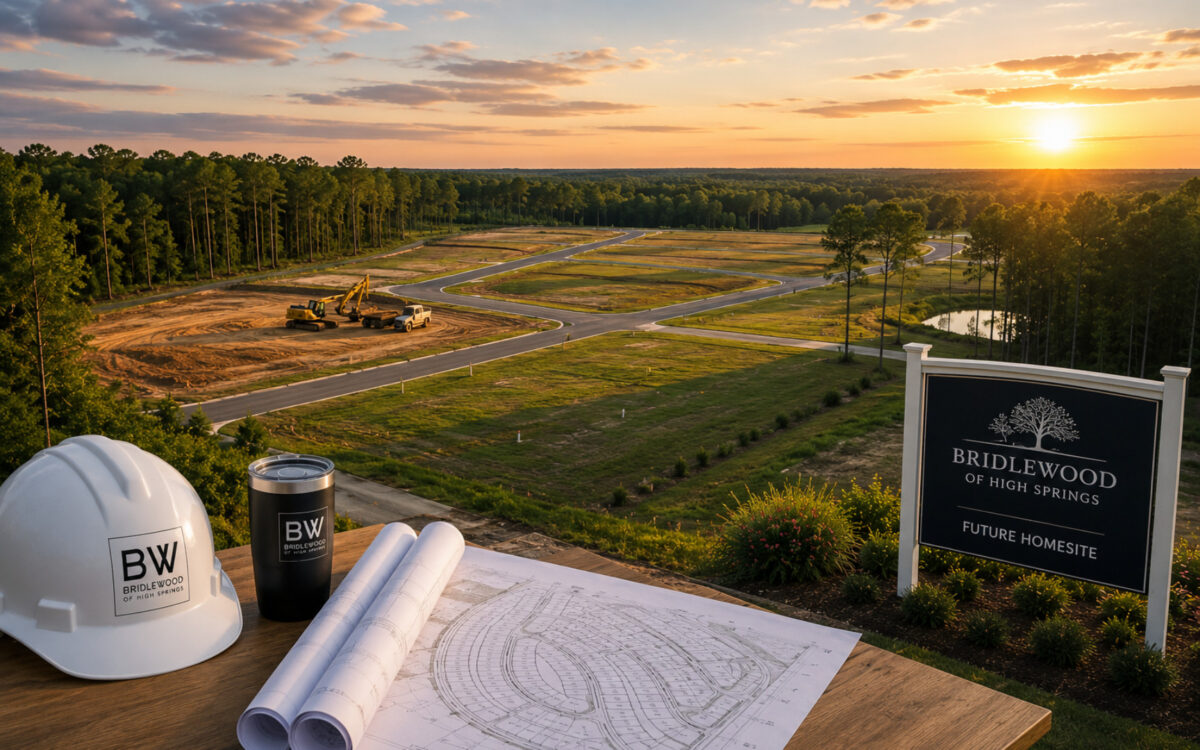
Bridlewood’s Phase 1A offers builders a direct path into the market without the multi-year pre-development timeline raw land typically requires — 106 lots across 678.81 acres, already cleared, engineered, and ready to build.
If you’re weighing residential development opportunities and want to discuss how Bridlewood’s engineered lots compare to other options you’re considering, our team is happy to walk through the specifics.
Kelly Crews Director of Sales & Development (904) 252-2472
Lot availability, pricing, and development terms are subject to change without notice. Please contact an authorized representative for the most current details.